The Essential Guide to Diesel Generators for Construction Projects


Introduction
Construction projects are complex undertakings that require a reliable source of power to operate various equipment and tools. One of the most critical components of any construction site is a diesel generator. diesel generator set are versatile and robust power sources that provide backup electricity for construction projects in remote locations or areas with unreliable power supply. In this comprehensive guide, we will explore the benefits, considerations, and best practices for using diesel generators in construction projects.
Chapter 1: Understanding Diesel Generators
1.1 What is a Diesel Generator?
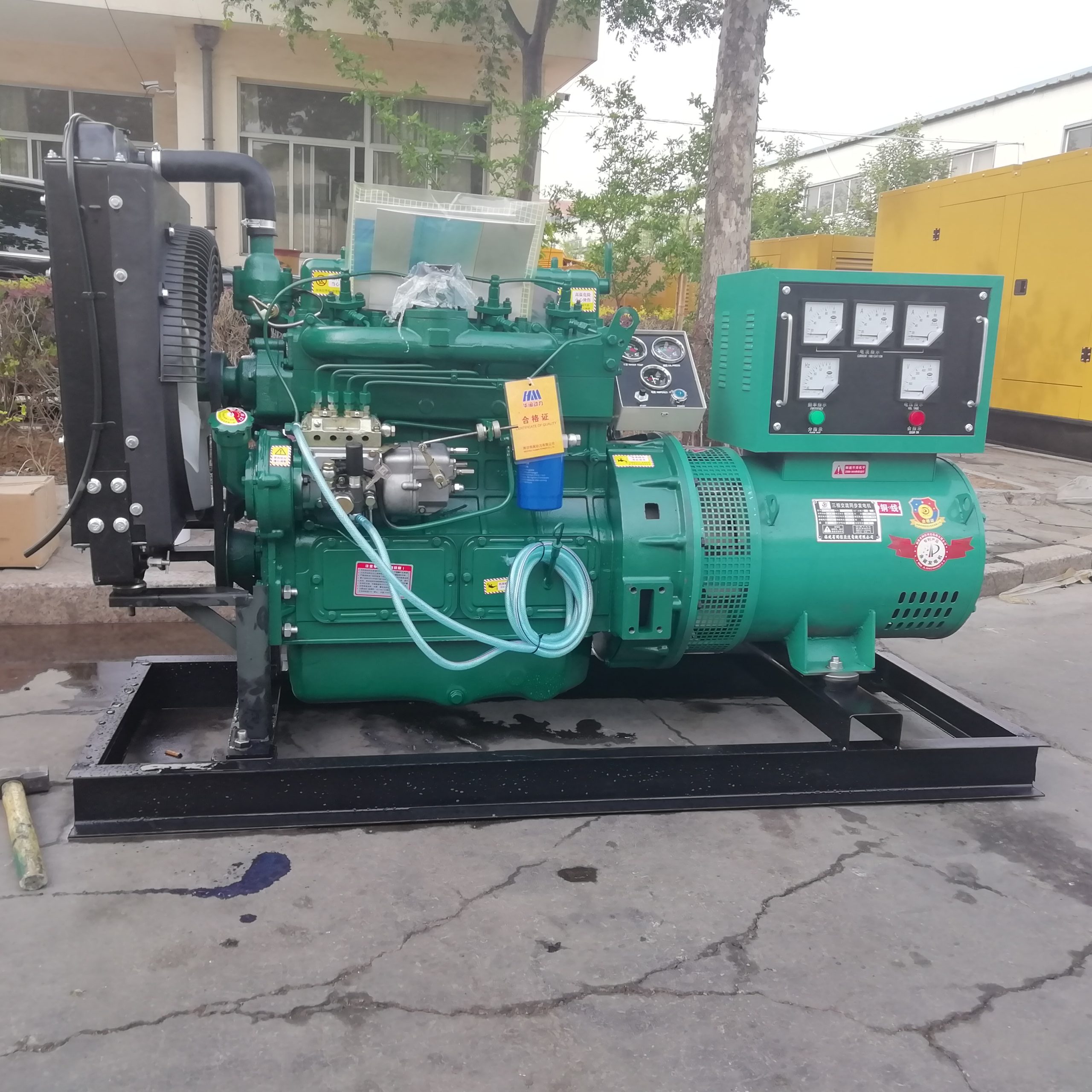
A diesel generator is a device that converts diesel fuel into electricity through the process of combustion. It consists of an engine that runs on diesel fuel and an alternator that produces electrical power. Diesel generators are available in various sizes and power capacities to meet the specific requirements of construction projects.
1.2 Benefits of Diesel Generators
- Reliability: Diesel generators are known for their reliability and durability, making them ideal for construction sites where a continuous power supply is essential.
- Fuel Efficiency: Diesel engines are more fuel-efficient than other types of engines, providing cost savings over the long run.
- Versatility: Diesel generators can be used in a wide range of applications, from powering construction tools to providing backup electricity for site offices and temporary facilities.
Chapter 2: Choosing the Right Diesel Generator
2.1 Assessing Power Requirements
Before selecting a diesel generator for a construction project, it is essential to assess the power requirements of the site. Consider the total wattage of all equipment and tools that need to be powered simultaneously to determine the appropriate generator size.
2.2 Size and Portability
Choose a diesel generator that is appropriately sized for the project and can be easily transported to different locations on the construction site. Consider factors such as weight, dimensions, and mobility when selecting a generator.
2.3 Fuel Efficiency and Runtime
Opt for a diesel generator that offers good fuel efficiency and extended runtime to minimize refueling frequency and operational costs. Look for generators with features such as automatic shutdown and fuel monitoring for optimal performance.
Chapter 3: Installation and Maintenance
3.1 Site Preparation
Before installing a diesel generator on a construction site, ensure that the location is suitable for safe and efficient operation. Choose a level and stable surface away from flammable materials and ensure proper ventilation for exhaust gases.
3.2 Electrical Connections
Hire a certified electrician to install the necessary electrical connections for the diesel generator, including transfer switches, distribution panels, and grounding systems. Follow all safety guidelines and regulations to prevent electrical hazards.
3.3 Regular Maintenance
Regular maintenance is essential to ensure the reliable performance of a diesel generator. Schedule routine inspections, oil changes, filter replacements, and load testing to identify and address any issues promptly.
Chapter 4: Best Practices for Using Diesel Generators
4.1 Fuel Management
Monitor fuel levels regularly and establish a refueling schedule to prevent unexpected downtime due to fuel shortages. Store diesel fuel in a safe and secure location away from ignition sources to reduce the risk of accidents.
4.2 Noise and Emissions Control
Implement noise and emissions control measures to minimize the environmental impact of diesel generators on the construction site. Use soundproof enclosures and exhaust emission controls to reduce noise levels and air pollution.
4.3 Emergency Preparedness
Develop an emergency response plan that includes procedures for handling power outages, equipment failures, and other unforeseen events that may impact the operation of the diesel generator. Train site personnel on emergency protocols to ensure a quick and effective response.
Chapter 5: Case Studies and Success Stories
5.1 Case Study: Diesel Generator for Large-Scale Construction Project
Explore a real-life example of how a diesel generator was successfully used to power a large-scale construction project, highlighting the benefits, challenges, and outcomes of implementing this power solution.
5.2 Success Story: Sustainable Practices with Diesel Generators
Learn about innovative approaches to using diesel generators in construction projects, such as integrating renewable energy sources and implementing energy-efficient practices to reduce environmental impact and operational costs.
Conclusion
Diesel generators are indispensable power sources for construction projects, providing reliable electricity in remote locations and challenging environments. By understanding the benefits, considerations, and best practices for using diesel generators, construction professionals can ensure the efficient and safe operation of their projects. With proper planning, installation, and maintenance, diesel generators can contribute to the success and sustainability of construction endeavors.